I had preconceived notions about Selma. But, I didn’t know it until I drove into town. I imagined her small but thriving, bustling with people of all colors and creeds. I figured a few restaurants and tourist spots and tall American pride must sustain her easily. So much bloodshed and anger would have produced needed healing and rub out the blot of injustice. Racism would surely be wiped clean from this spot on the map.
But, no.
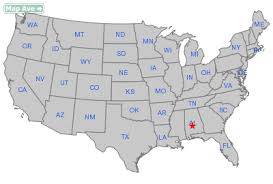
Selma is dilapidated and gray-ish. The store fronts looked like the owners left in the 70s and never returned. Faded signs indicated what used to be in the historic downtown buildings. Internet searches list Selma as the eighth most dangerous city in the States. In the 60’s the residents were equally diverse, but now the population is rapidly decreasing, and 80% of the residents are Black. On the far side of the bridge, the memorial park appeared run down and in need of good landscaping; structures were broken and falling down.
On the nearest corner to the bridge, I spied a welcoming doorway. The National Park Service operates the famous Edmund Pettus Bridge, so a park ranger greeted me. She said the woman seated near the side door, dressed in jeans and a blue T-shirt, was a celebrity of sorts. A young man wearing a slouchy hat stood nearby listening to her story, so I sidled next to him.
She was the youngest marcher of Dr. King’s entourage on Bloody Sunday: March 7, 1965. At 15 years old, Lynda Blackmon Lowery had been jailed nine times for protesting in organized, nonviolent marches in Selma. I grabbed the last copy of her book on the shelf across the room and asked her to sign it. After she told me about her mother dying due to the color of her skin, she asked about me. I told her I help give a voice to formerly incarcerated women and men in Ohio. Immediately, she penned a message on the page and looked me in the eye. “You be sure to tell them that they are the leaders of the future. They can and will do it.”

She encouraged me to walk across the bridge and join the 56th celebration of the bridge crossing. The worry about COVID kept the celebration to a virtual event. The most traffic was the brigade of the Buffalo Soldiers Motorcycle Club and a handful of people taking photographs and carrying posters.
As I took my first few steps onto the bridge, an oncoming driver in a beat up pickup truck honked the horn and hollered, “I have a dream!” His white, sarcastic tone chilled me. A sliver of fear met a belly full of anger, and I walked in silence. Selma hadn’t changed as I believed. But residents, like Mrs. Lynda, still believe in “steady, loving confrontation.”
Let’s not fall prey to preconceived notions that men and women who have been incarcerated cannot be life-changing leaders. Those who have endured trauma (including incarceration) can lead this country to peace.
 REVEALING PANES
👏🏽👏🏽👏🏽 It’s as if I was there experiencing it with her WOW‼️
LikeLike
Very informative and we’ll written article.
LikeLike