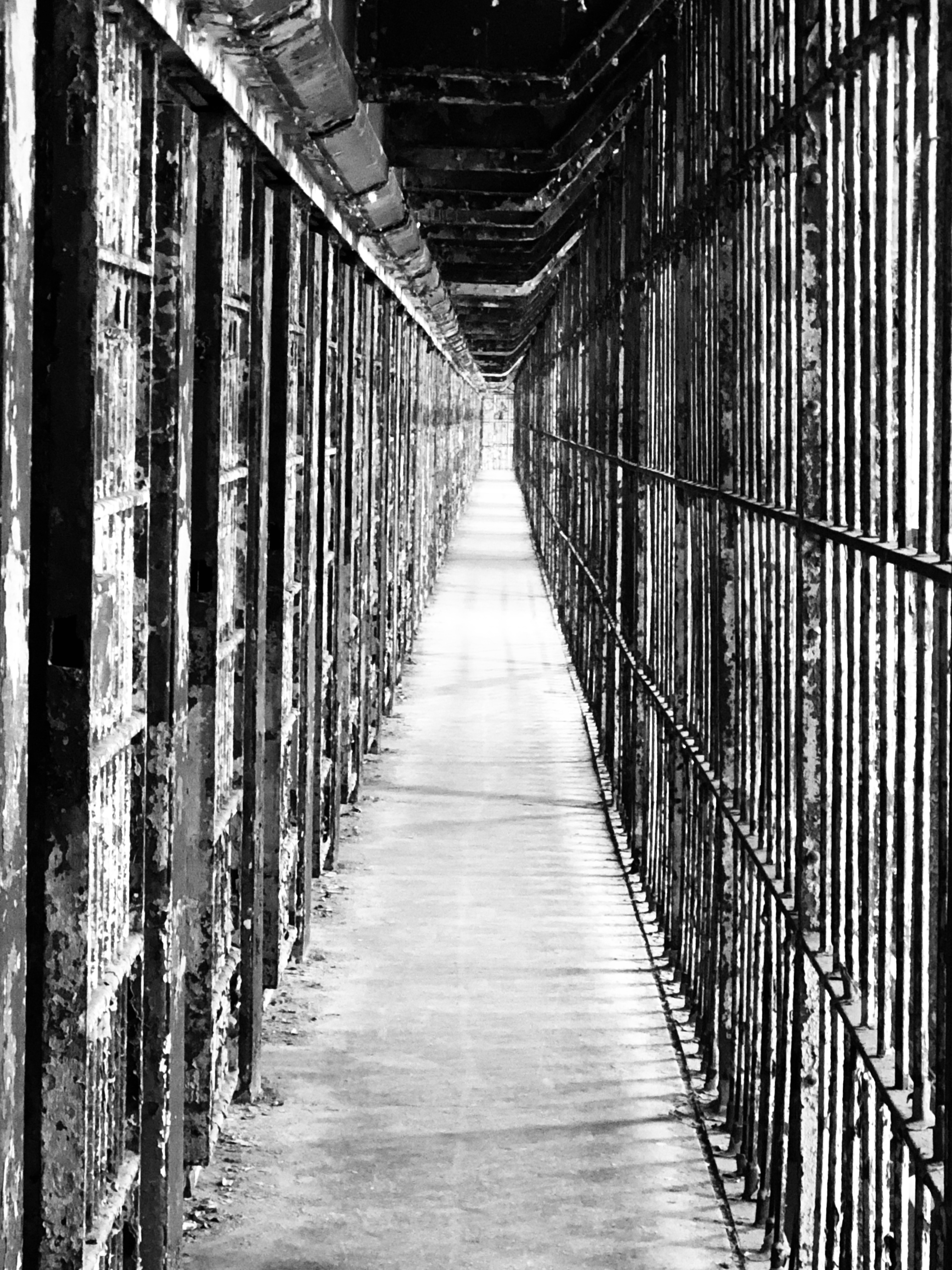
Imagine…
The hurdles incarcerated women and men face while behind bars are extensive and unimaginable. But those challenges after serving time are just as damaging to not only the person but your community.
“Inmates are “developmentally frozen” and lose their identification with normal ways of living because of identifying with a subculture. —-Helfgott, Criminal Justice scholar

Belly Full of Stones
Teaching in a women’s prison, it only took a short time for me to realize that the consequences of incarceration are deep and wide. This book showcases vignettes of previously incarcerated women who are surviving the aftermath. Glimpses into their previous lives and their struggles during incarceration will likely cause the reader heartache, but the tenacity of living life after will cause readers to cheer and begin to truly understand a perspective that may be unfamiliar. The book also tracks the footsteps of incarceration from the point of the teacher who stepped behind bars once a week to sit face-to-face with not just a harsh reality, but with joyful surprise. A Belly Full of Stones portrays the grit of mass incarceration at a personal level with the hope of transformation.
Art Exhibit

The Contemporary Dayton, 2017
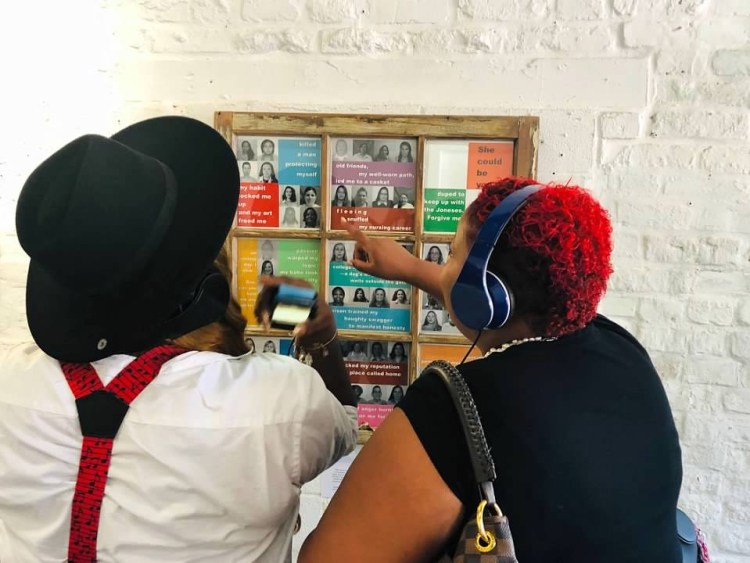
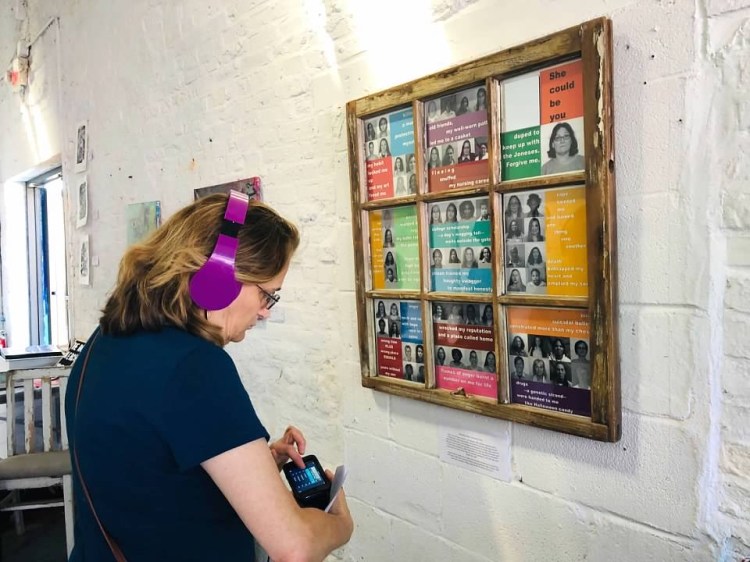
650,000 men and women are released every year. —-The New York Times, 2016
……………………………………………………………………………………………………….
……………………………………………………………………………………………………..
National Conference on Higher Ed in Prison
Listening to Women’s Words
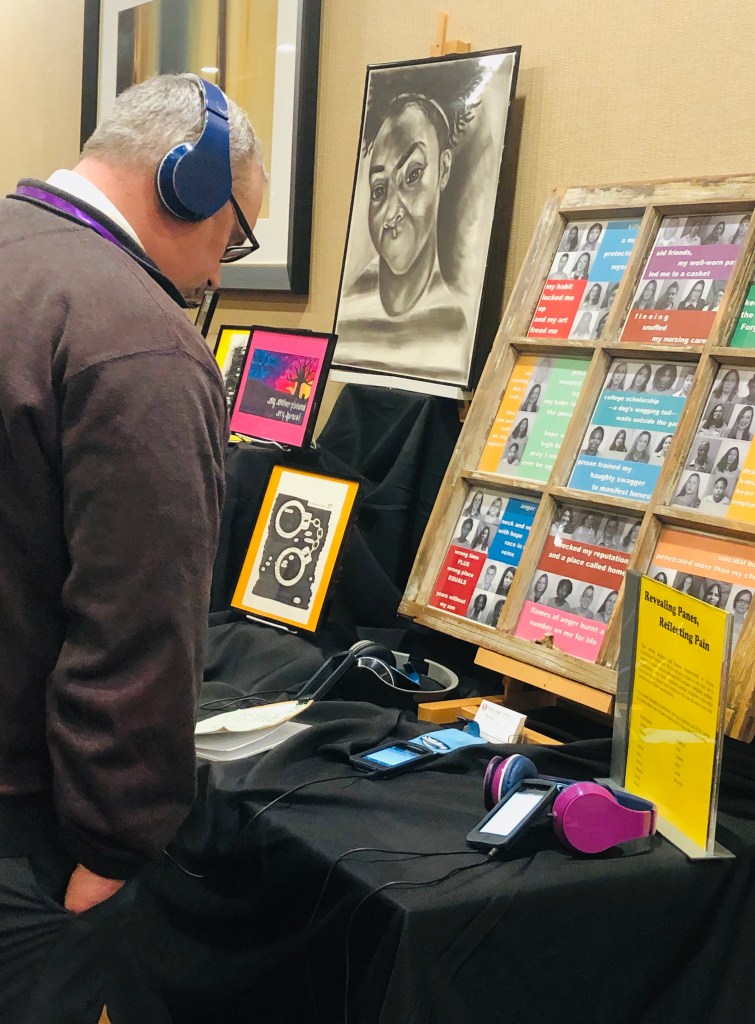
2019 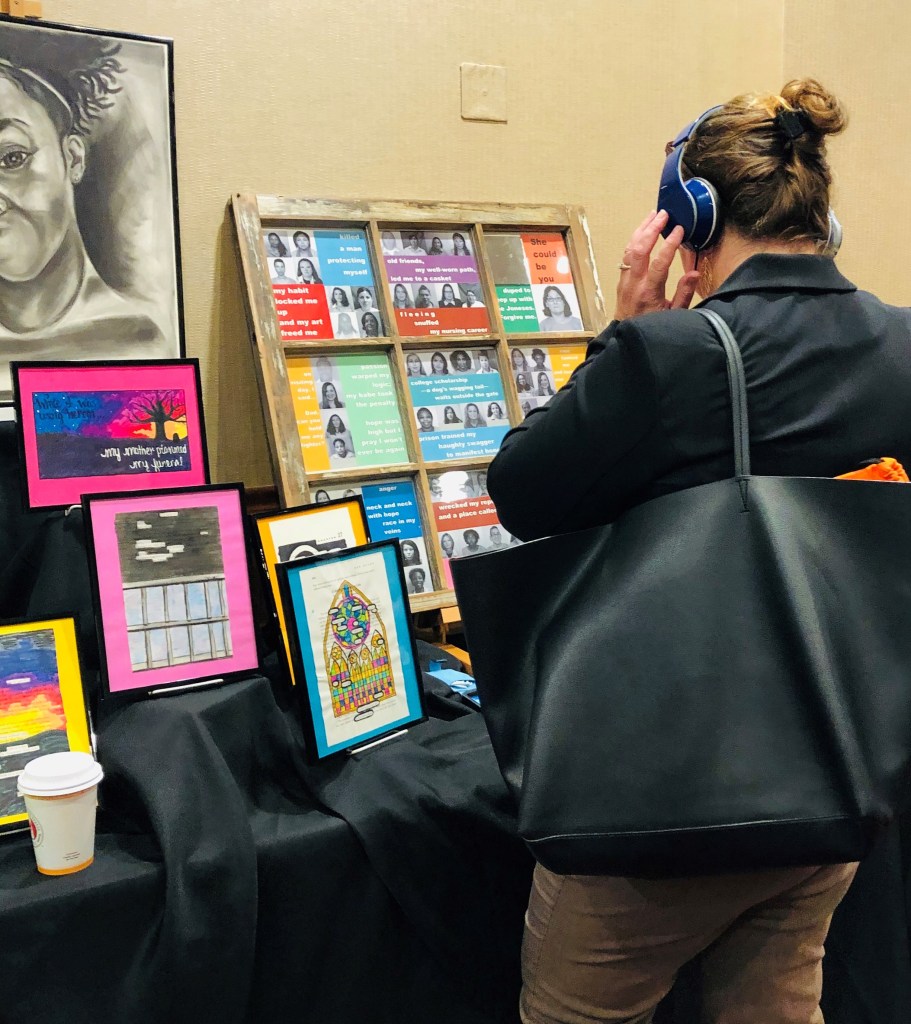
Social support enables people to manage the uncertainty associated with stress and to increase a sense of personal control over their environments. ——Communication Scholars: Albrecht, Burleson, & Sarason
……………………………………………………………………………………………………….
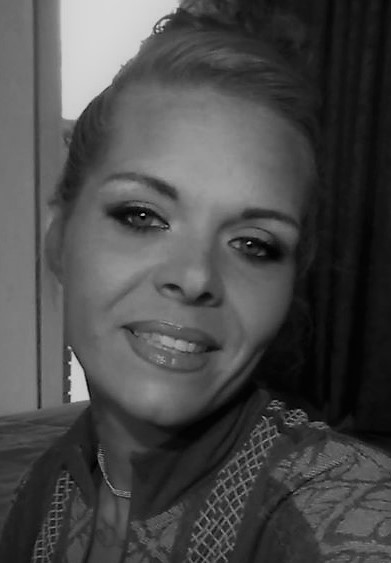
REALITY
…support, validation, and assistance we receive from our social network can have considerable influence on our mental and physical health. ——The Journal of Health Communication
Social relationships can be the incentive necessary for “ongoing social support and asset building. —–Bazemore and Erbe, Criminal Justice scholars
……………………………………………………………………………………………………….
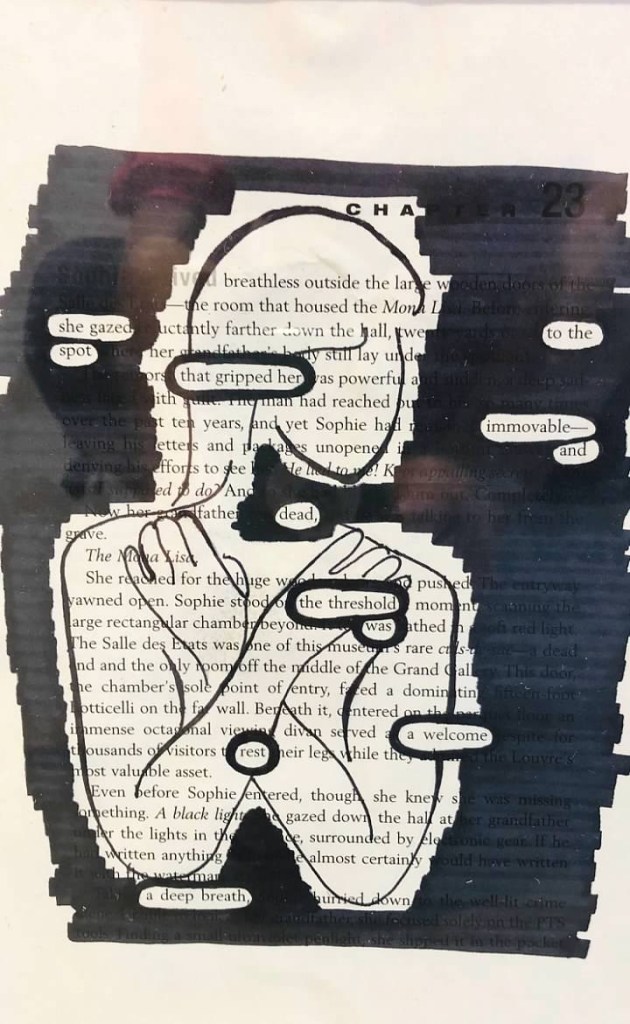
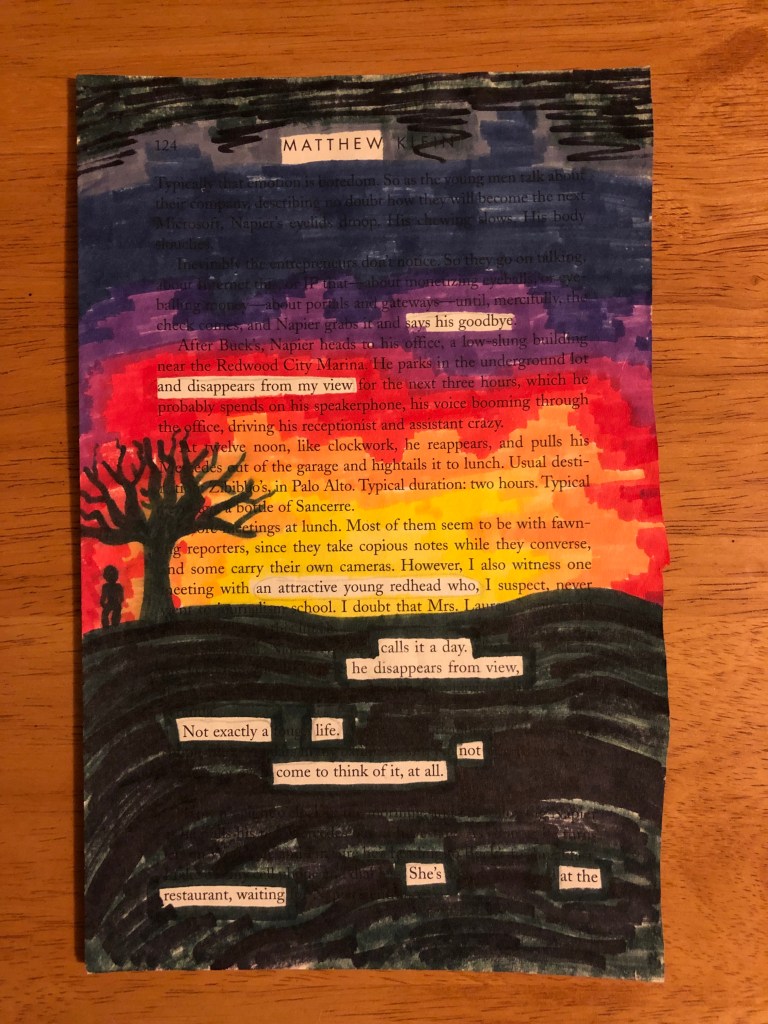
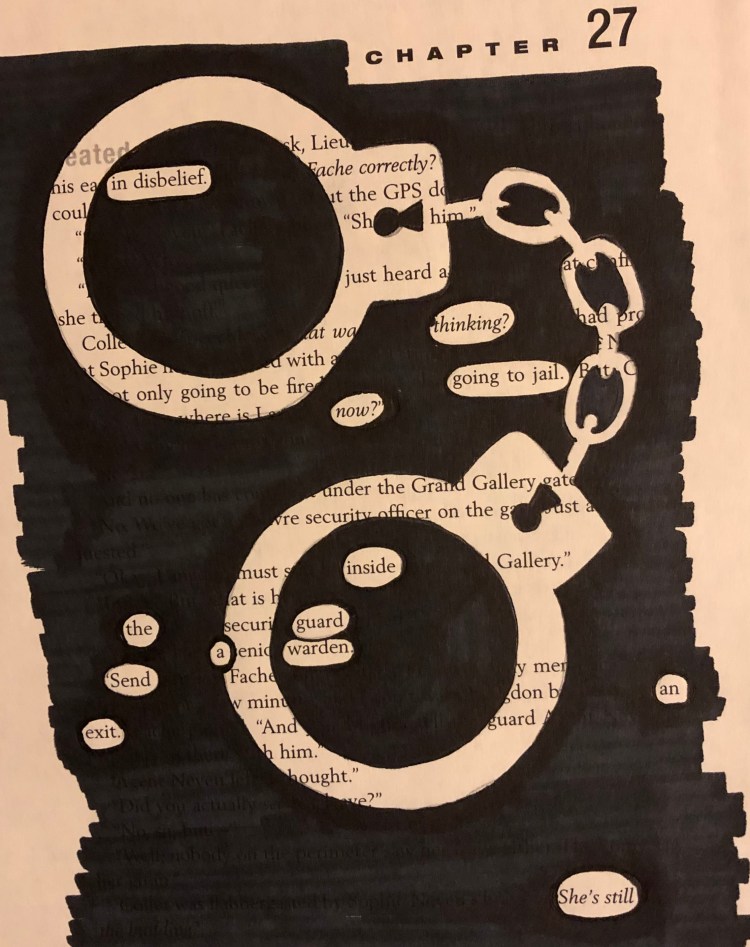
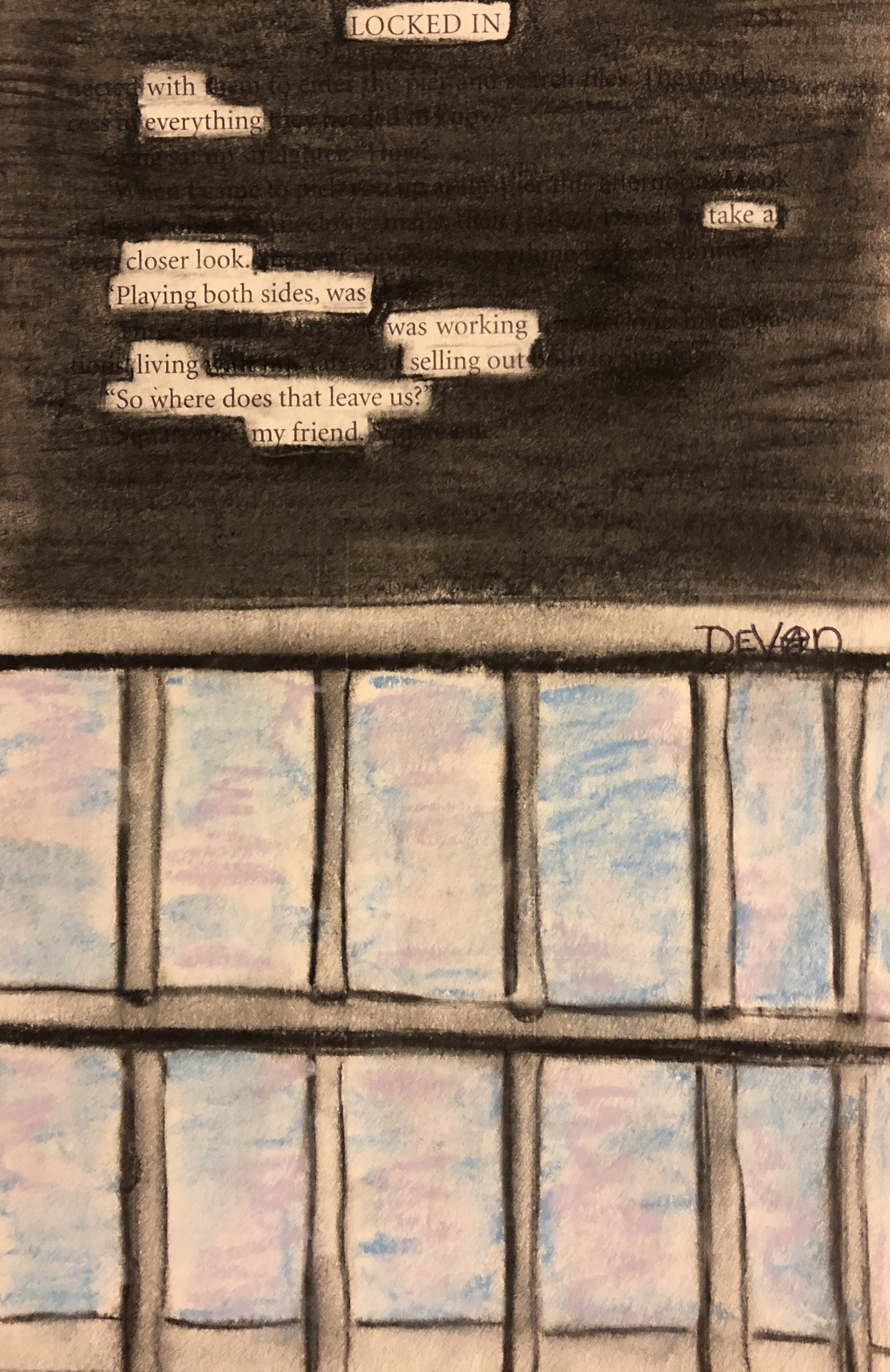
Black Out Poetry
These black-out poems aim to express the heart of a woman and represent experiences that led to incarceration as well as the experiences of living or visiting Dayton Correctional Institution, a women’s prison. Women locked behind bars are still women who are talented, who are mothers and devoted friends, who are part of our community.

At-risk adolescents and adults are most successful with positive social support. ——-National Association of Social Workers
The needs of those released from facilities are often incongruent with opportunities and resources available. ——-Federal Probation Journal
……………………………………………………………………………………………………….
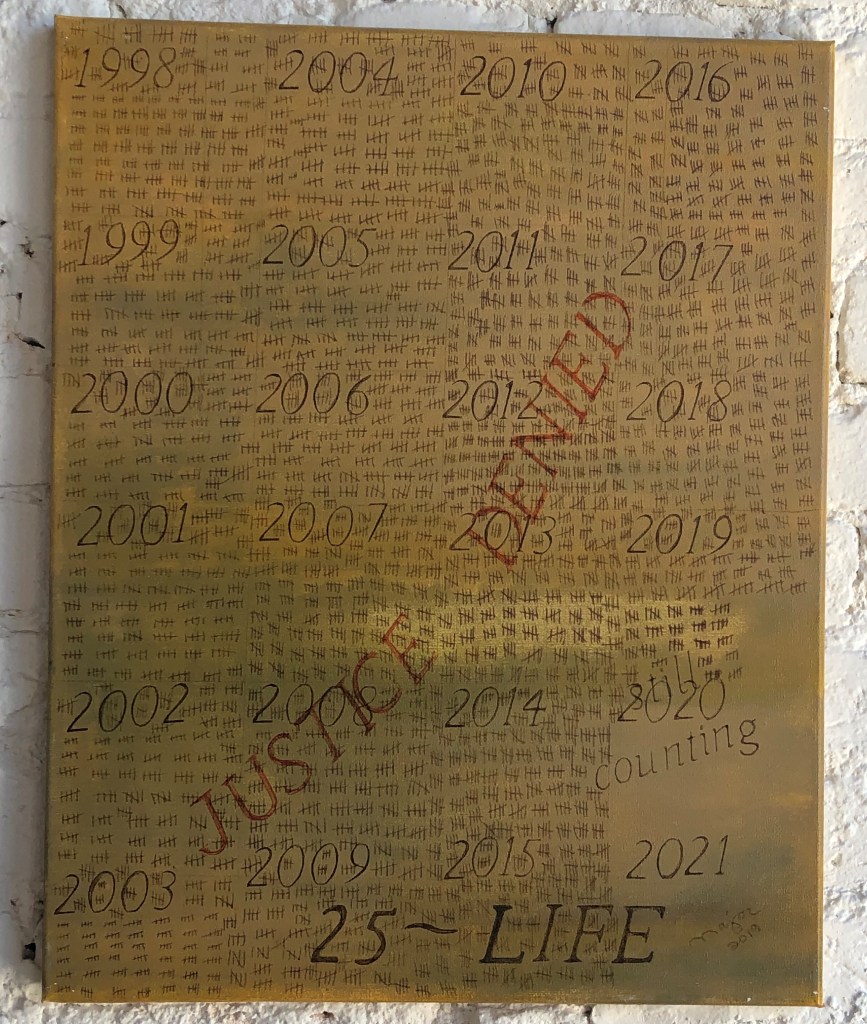
Justice Denied
Incarcerated women often find an emotional outlet in art to combat the injustice of the system.

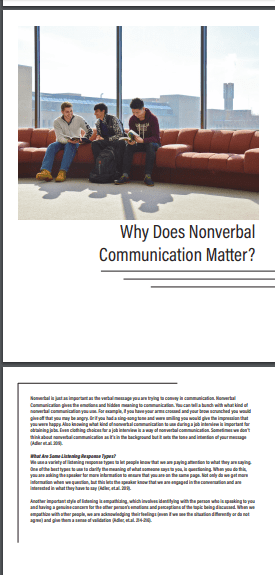
Student -written text about communication 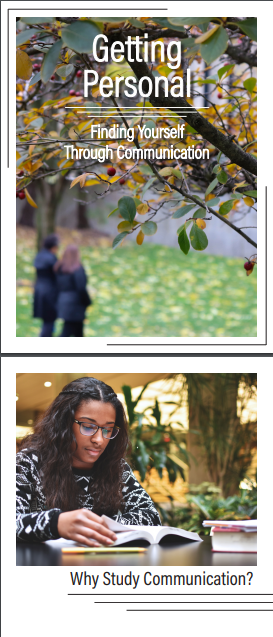
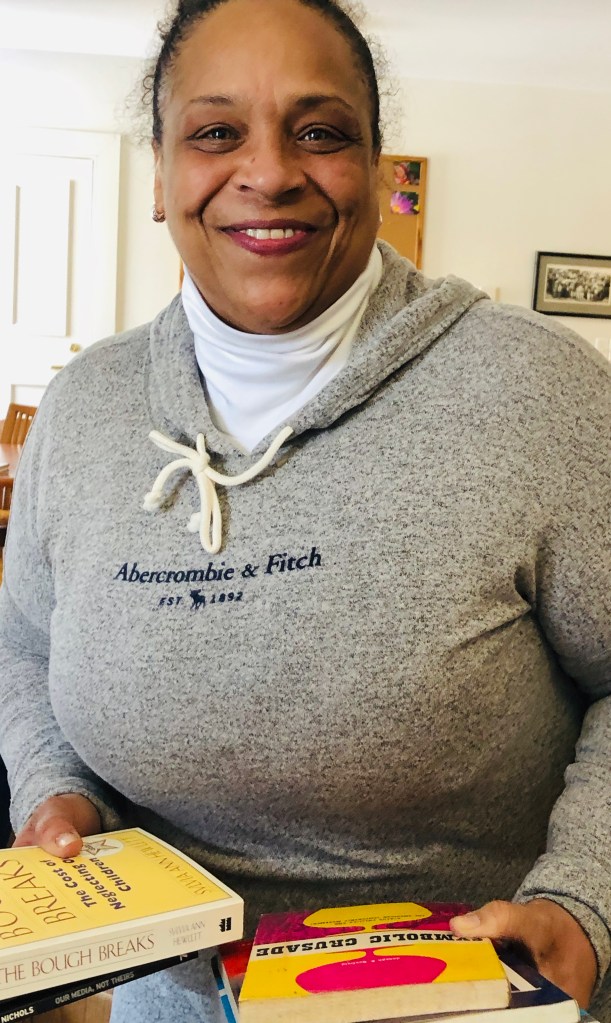
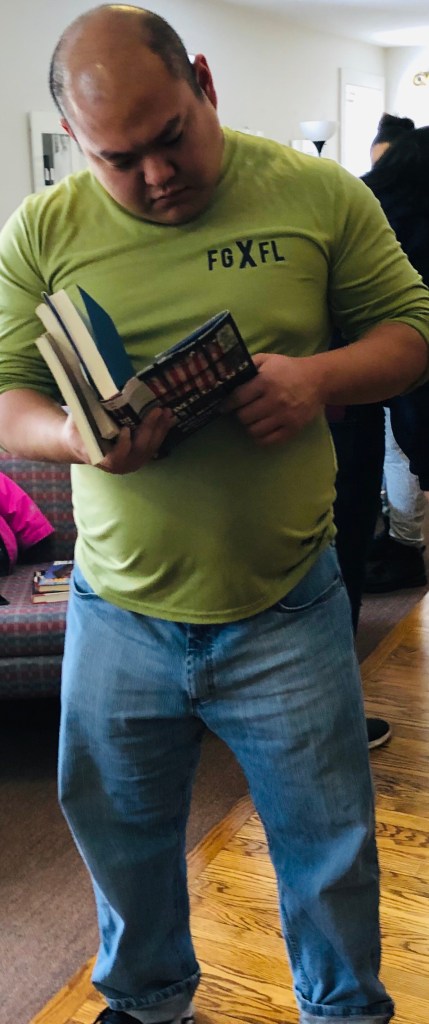
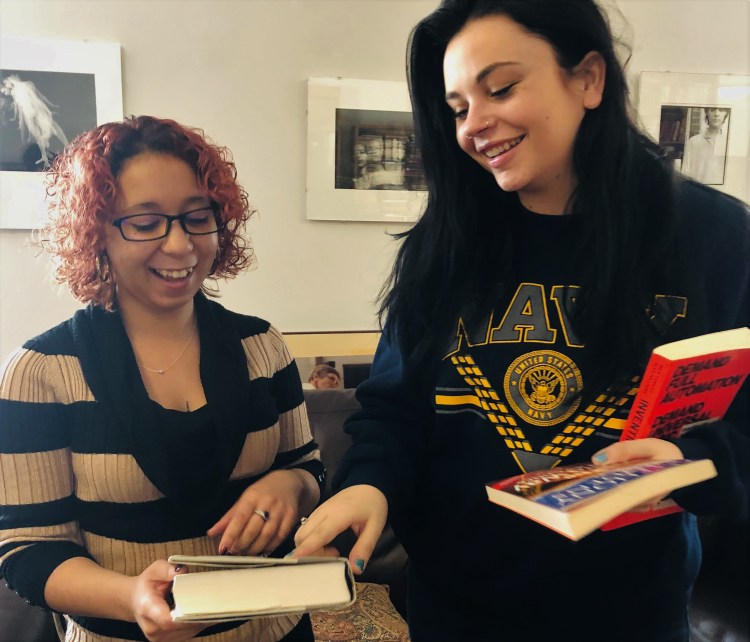
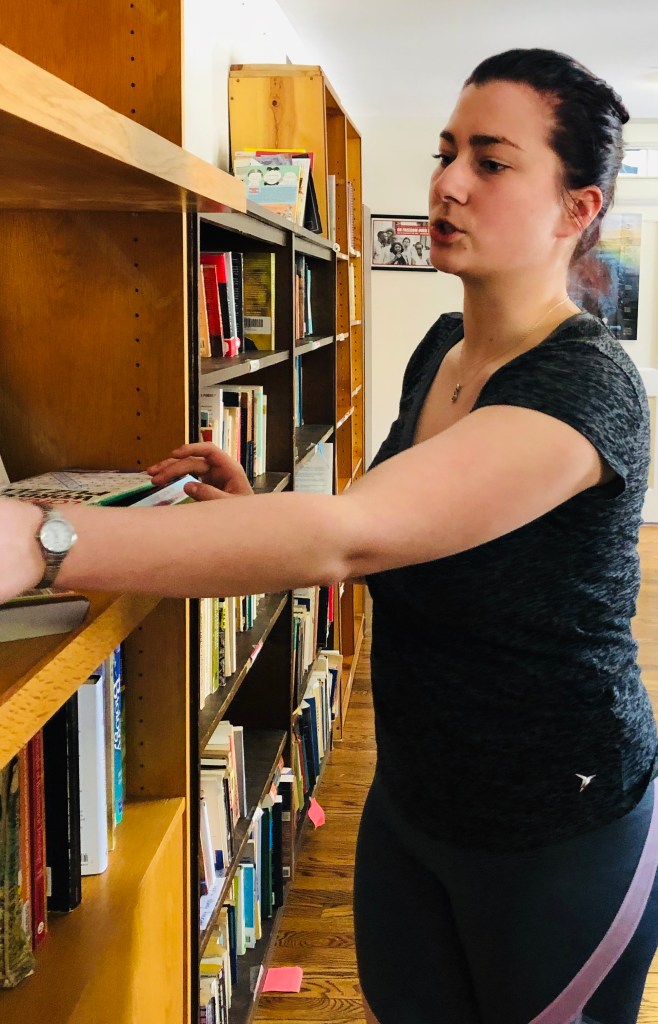
Students enrolled in Arnold’s Interpersonal Communication course at Sinclair Communication College participated in an Honors Project in collaboration with Antioch College and its Prison Justice Library. The library houses used books and creates zines; upon request, materials are sent to men and women who are incarcerated. Students volunteered at the library and wrote a zine to be sent to regional prisoners requesting information on communication.
Graphic designer: Jillian Farris with permission of Sinclair
Everyone says we have to be college-ready. What we’re saying is that colleges need to be student-ready. ——Founder of Lumina Foundation, 2016
ReEntry Stories
on 91.3 WYSO
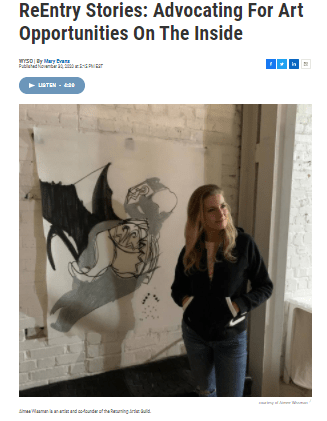
Listen to formerly incarcerated men and women tell about their successes and struggles with the process of re-entry after prison.
 REVEALING PANES